Tesla reported flat revenue and a 4 percent profit decline for the third quarter of 2026, as the company navigates a period of slowing sales. The results, released on Wednesday, show net income of $1.7 billion on $28.0 billion in revenue for the quarter ending in September 2026.
The company’s revenue remained flat compared to the third quarter of 2025, when Tesla earned $1.4 billion in net income on $28.1 billion in revenue. While the figures exceeded Wall Street expectations of $27.9 billion, they fell short of Tesla’s own internal projection of $28.3 billion, according to data compiled by LSEG.
Sales and segment performance
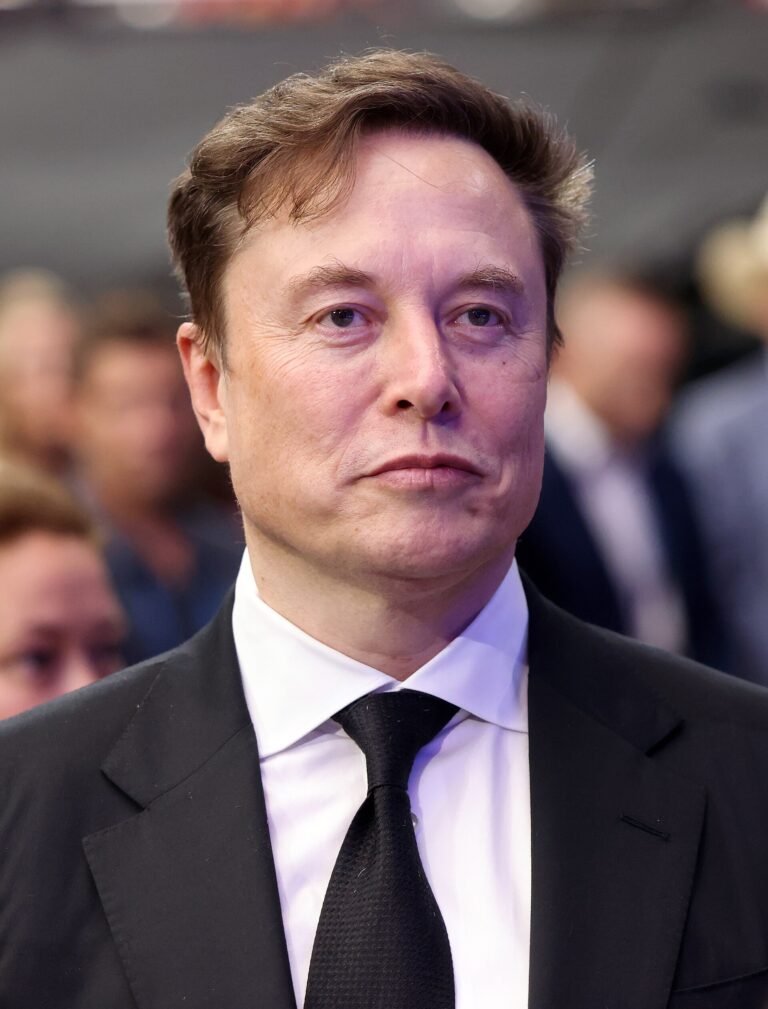
The earnings report follows a Q3 sales update that showed a 2.1 percent decrease in customer deliveries compared to the same period in 2025. This decline was largely anticipated following the expiration of the $7,500 federal electric vehicle tax credit on September 30, 2025. CEO Elon Musk previously warned that the company faced “a few rough quarters” due to the loss of the incentive and broader macroeconomic conditions.
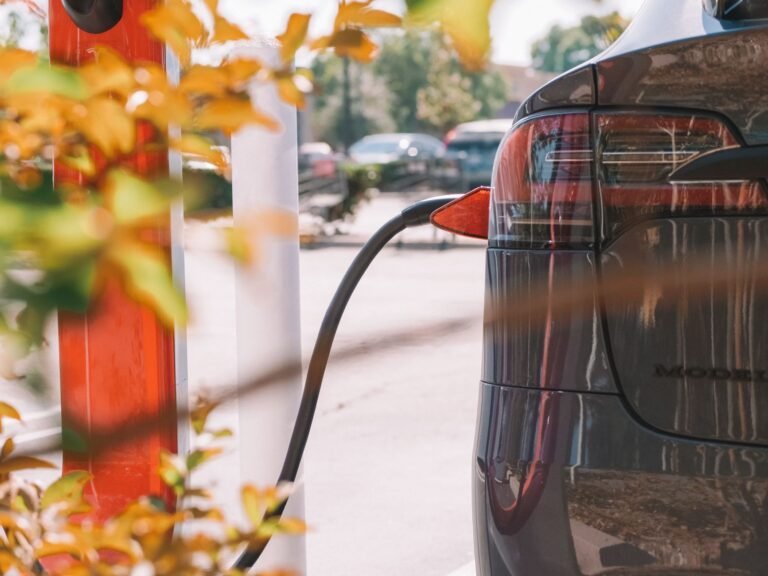
Automotive revenue reached $20.5 billion, a 3 percent year-over-year decrease. The energy generation and storage division saw a 16 percent drop, totaling $2.9 billion. However, services and other revenue—which includes EV charging, maintenance, parts, and insurance—grew 33 percent to $4.6 billion.
Rising costs and future investments
Tesla’s capital spending increased 110 percent year-over-year to $4.7 billion, driven by investments in artificial intelligence, autonomous vehicles, and robotics. Musk has indicated that the company expects a “massive capex year” with at least $25 billion in total capital spending as it shifts its focus toward AI and robotics.
Operating expenses rose 39 percent to $4.8 billion, while income from operations fell 56 percent to $718 million. Although Tesla reported $1.5 billion in free cash flow, this figure represents a 62 percent year-over-year decline.
Merger discussions and new product demos
Musk revealed this week that Tesla and SpaceX have formed special committees to discuss a potential merger. Musk stated that a merger would be a “good idea,” though he noted he would not be involved in the process.
The quarter also featured the re-reveal of the next-generation Tesla Roadster in Waco, Texas. The event showcased a two-seat prototype utilizing cold-gas thrusters from SpaceX. Despite the demonstration, questions remain regarding the company’s ability to bring the vehicle to production by the promised 2028 date.