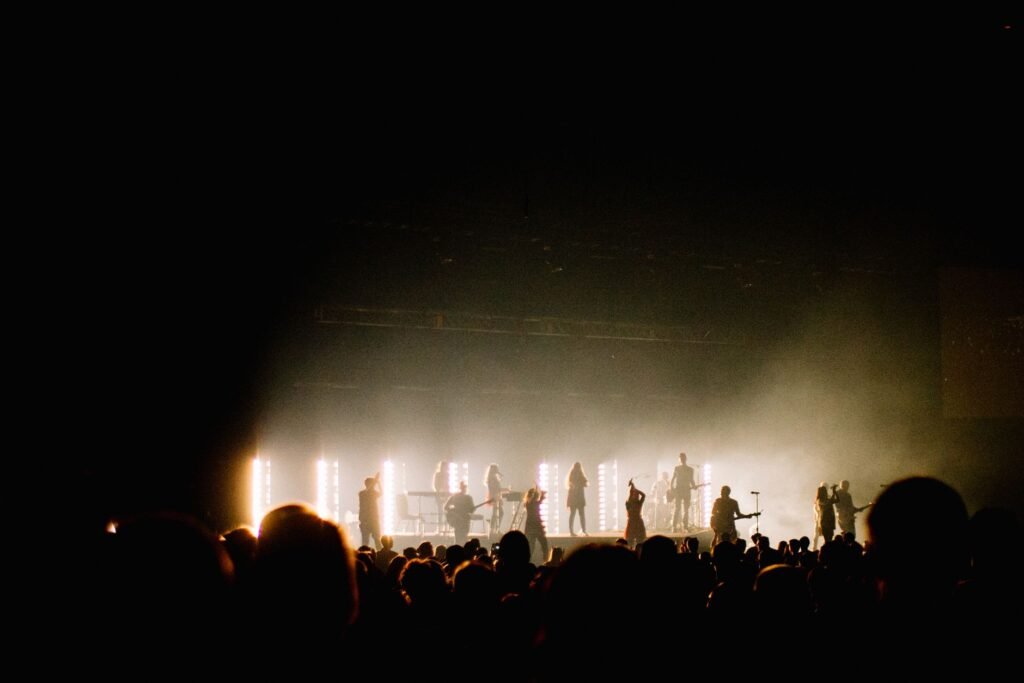
Concerts remain a massive draw in Australia, but the broader live events industry is navigating a challenging financial landscape. Newly published data from Live Performance Australia reveals that concert fans purchased more than 13.7 million tickets last year, marking a 2.4% decrease from the prior year and generating revenue of A$1.8 billion ($1.25 billion), which slipped 0.9% from the all-time high set in 2024.
The outcome would have been more severe without an exceptional lineup of stadium shows and high-profile international tours featuring acts such as Lady Gaga, Oasis, AC/DC, Luke Combs, Drake, Tyler The Creator, Billie Eilish, Metallica and Kendrick Lamar. Contemporary music concerts dominated as the clear leader in both revenue share at 53.5% and attendance at 44.8% last year. The average ticket price for contemporary concerts rose 2.0% year-on-year to A$138.15 ($96) in 2025, helping offset the drop in revenue.
Despite a series of high-profile brands collapsing or pausing operations, Australia’s contemporary music festivals sold 2.1 million tickets in 2025, up 4.9% from the previous year. Festivals reported total revenue just under A$400 million ($280 million), representing a 20.7% year-on-year increase. Combined, concerts and festivals proved to be the strongest sector for Australia’s live performance industry, accounting for over 65% of total revenue and more than 51% of total attendance.
“These results were attributable to a strong array of major international tours and festival line ups, attracting higher average ticket prices,” the report’s editors explain.
Overall ticket revenue for the live performance industry dipped slightly to A$3.4 billion ($2.37 billion). Ticketed attendance fell by 2.4% to 30.7 million, as seven of the 12 categories experienced year-on-year declines. Promoters wrestled with difficult business conditions while consumers watched their spending, leading to shifts in ticket-buying habits.
During the reporting period, average ticket prices jumped 14.1% to A$206.17 ($144). This increase drove revenue growth and mirrored higher costs for organizers, according to an LPA statement.
“While this is the highest-ever recorded for the industry, it only partially offset rising costs experienced across the economy, given that Australia’s headline inflation rate in 2025 was 3.8%,” the LPA’s 2025 Live Performance Attendance and Revenue Report states.
Even so, the headline figures mark the second-highest results since the annual report debuted in 2004.
“Australians love their live performance experiences but are under more intense cost-of-living pressures and being more selective in their ticket buying choices which led to a softening in overall demand in 2025,” Live Performance Australia CEO Eric Lassen remarks.
“At the same time, our producers and presenters are grappling with rising costs of production and touring which is reducing operating margins and increasing financial risk, particularly in the theatrical sector.”
The largest and most concerning drop occurred in Musical Theatre, which fell by more than 16% in both revenue and attendance during the reporting period. Generating A$442.3 million ($309 million) in revenue, Musical Theatre stands as the second-largest category behind Contemporary Concerts.
Lassen, who took over as LPA CEO from longtime leader Evelyn Richardson in January 2025, notes, “There will always be some variability in the overall revenue and attendance figures depending on touring and production cycles, particularly for big international acts, but we also need to address the longer-term structural challenges for the industry if it’s to have a sustainable future.”