U.K. inflation rose by 3.5% in the 12 months to September, a figure that exceeded the 3.4% annual rate forecast by economists polled by Reuters. The increase was primarily driven by the surging cost of motor fuels.
This reading marks a continuation of an upward trend for U.K. inflation, which stood at 3.1% in August and 2.9% in July. The September figure represents the highest annual inflation rate recorded in a year.
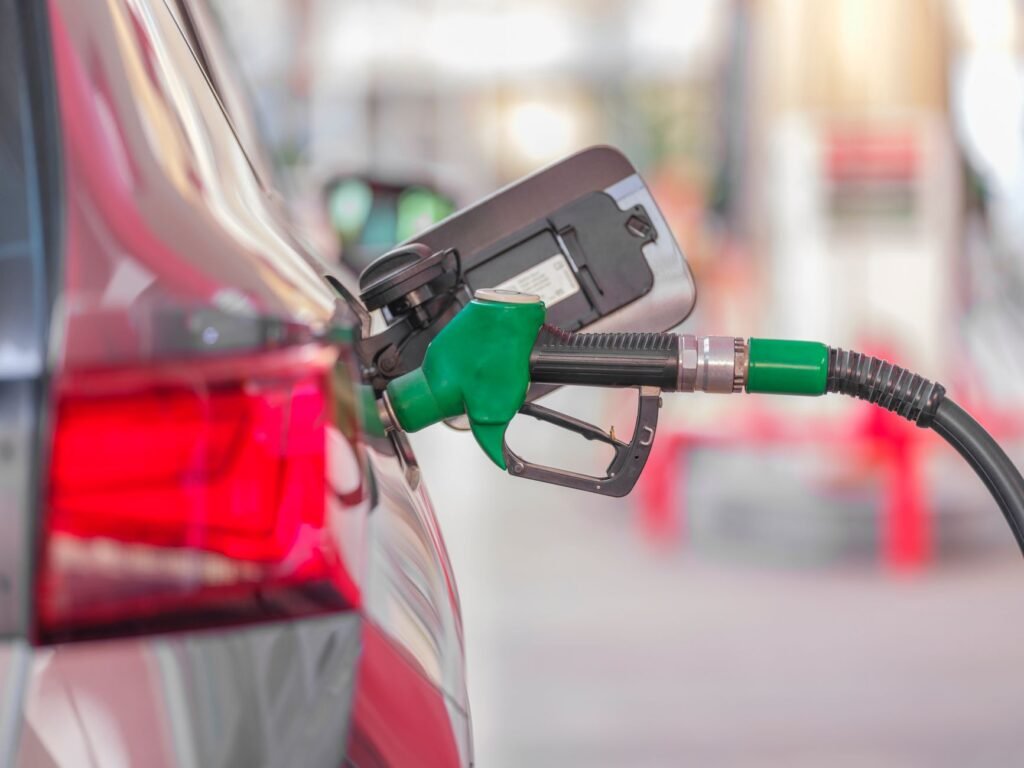
The U.K. Office for National Statistics reported on Wednesday that the motor fuel inflation rate reached its highest level since August 2022, a period when fuel costs spiked following the start of Russia’s full-scale invasion of Ukraine. ONS data indicated that U.K. motor fuel prices surged 29.8% in the year to September.
Britain remains a net energy importer, leaving the nation vulnerable to external energy shocks, such as the U.S.-Iran war and the subsequent difficulties in transporting oil through the Strait of Hormuz.
Following the data release, the British pound remained flat against the euro and the U.S. dollar, while yields on U.K. government bonds saw little change.
Market outlook and policy expectations
Scott Gardner, an investment strategist at J.P. Morgan Personal Investing, noted Wednesday morning that the recent growth in headline inflation has “undone the progress we saw in the spring.”
“Bank of England policymakers will be looking beyond the headline figure,” Gardner said. “Services inflation, in particular, has accelerated in recent months which will create concern that we are starting to see second round inflationary effects beyond energy prices. While we face a different set of challenges compared to 2021, the prolonged conflict is weighing on the U.K. economy and making the case for a rate hike stronger.”
According to LSEG data, markets are currently pricing in a 98% probability that the Bank of England will raise its key interest rate by 25 basis points to 4% next month. A majority of traders are also anticipating a further hike of the same size at the central bank’s final meeting of the year in December.